What You Will Learn
- Why you build speed on the slip road before merging, not after
- The mirror-signal-blind spot check sequence for a safe merge
- Which lane to use once you're on the dual carriageway
- Where to brake when leaving — and where not to
Joining a Dual Carriageway
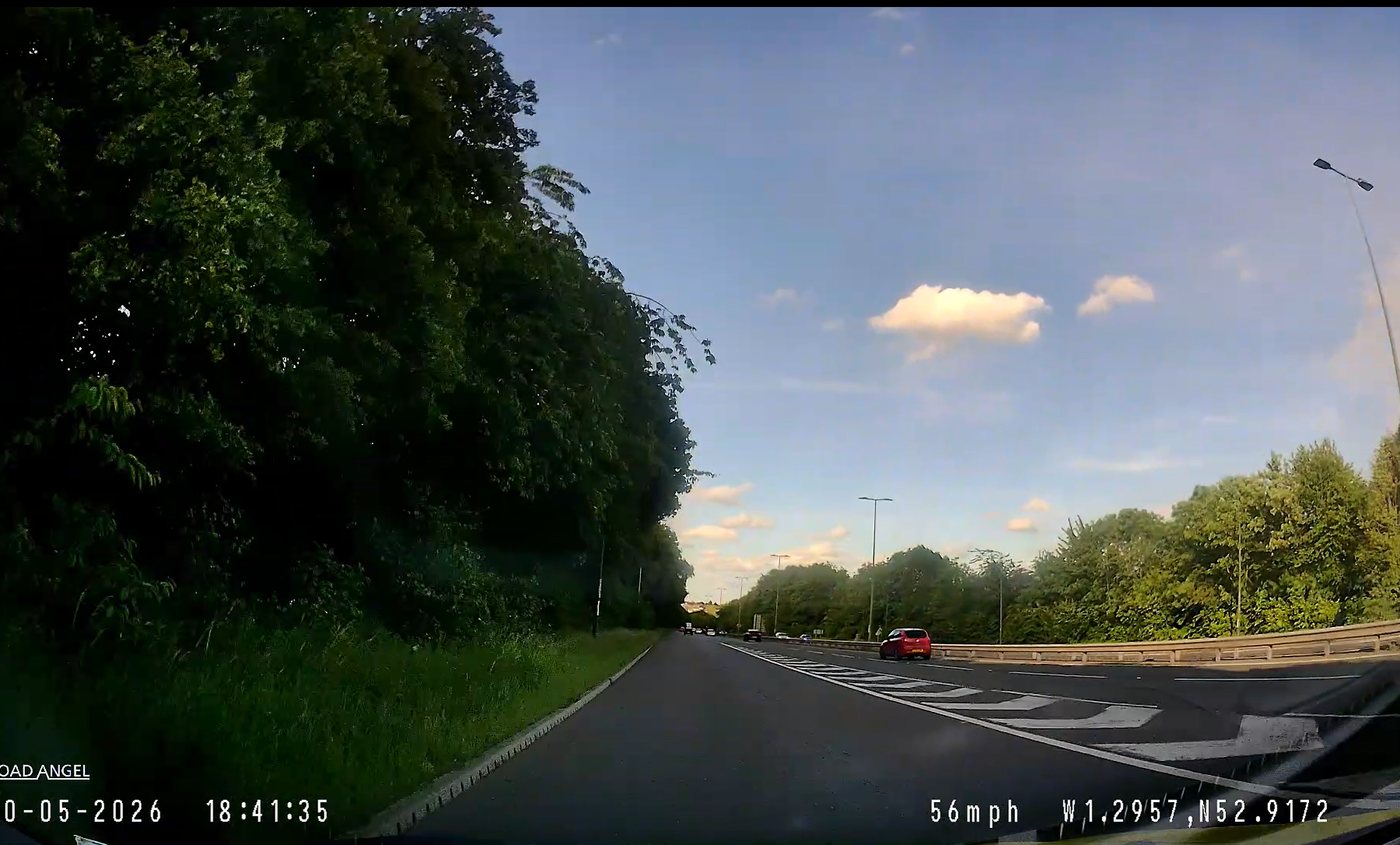
The slip road exists to let you build up to the speed of the traffic you're joining before you merge — not to wait at the end of it for a gap. Use the full length available to accelerate, watching the traffic already on the carriageway as you go.
Speed, Mirror, Position, Signal, Blind Spot
As you build speed on the slip road: check your mirrors to see what's approaching and how fast, choose your target gap, signal your intention, then take a final blind-spot check immediately before you move across — your mirrors can't show you everything, and this is the one check that fills the gap.
Joining at a Direct Junction
Not every dual carriageway has a slip road. Where you're joining directly from a side road with no run-up, you need a gap large enough to pull away and get up to speed without forcing the traffic behind you to brake hard.
Lane Discipline Once You're On It
“On a two-lane dual carriageway you should stay in the left-hand lane. Use the right-hand lane for overtaking or turning right. After overtaking, move back to the left-hand lane when it is safe to do so.” Read Rule 137 on GOV.UK →
In practice: don't sit in the right-hand lane once you've finished overtaking, and don't use it as a default cruising lane. It's there for overtaking and turning right, not for general use.
Leaving a Dual Carriageway
Position yourself in the left-hand lane well before your exit, and signal in good time. Keep your speed up on the main carriageway itself — braking there, rather than on the deceleration lane or slip road, catches out traffic behind you. Slow down once you're committed to the exit, not before.
Instructor's tip: "Two things catch learners out here: hesitating on the slip road and losing your gap, or braking too early on the carriageway when leaving. Both come from not trusting the full length of road you've been given — use all of it."
Right Turns Across a Central Reservation
Turning right across a dual carriageway's central reservation is one of the higher-risk manoeuvres you'll meet — you're crossing one carriageway of traffic to wait in the gap, then crossing a second. If you're not certain there's a safe gap on both sides, wait for a clearer one rather than committing.
Source: Highway Code, Rule 137 (dual carriageway lane discipline).
Related Guides
Practise Dual Carriageways with H&E
H&E lessons cover the A52, A453 and Nottingham ring road as part of standard test preparation. Book via WhatsApp.