Key Takeaways
- Position just left of the middle of the road, or in the marked space for turning right, well before the turn
- Use the MSM routine: mirrors, signal, then manoeuvre once there's a safe gap
- Check your mirrors and blind spot again immediately before you turn, in case you're being overtaken
- At crossroads with an oncoming car also turning right, right-to-right (behind each other) is generally the safer method
- Never cut the corner when completing the turn
Position Before You Turn
Most right-turn faults come from where the car is positioned or how the gap is judged, not from how quickly the wheel is turned.
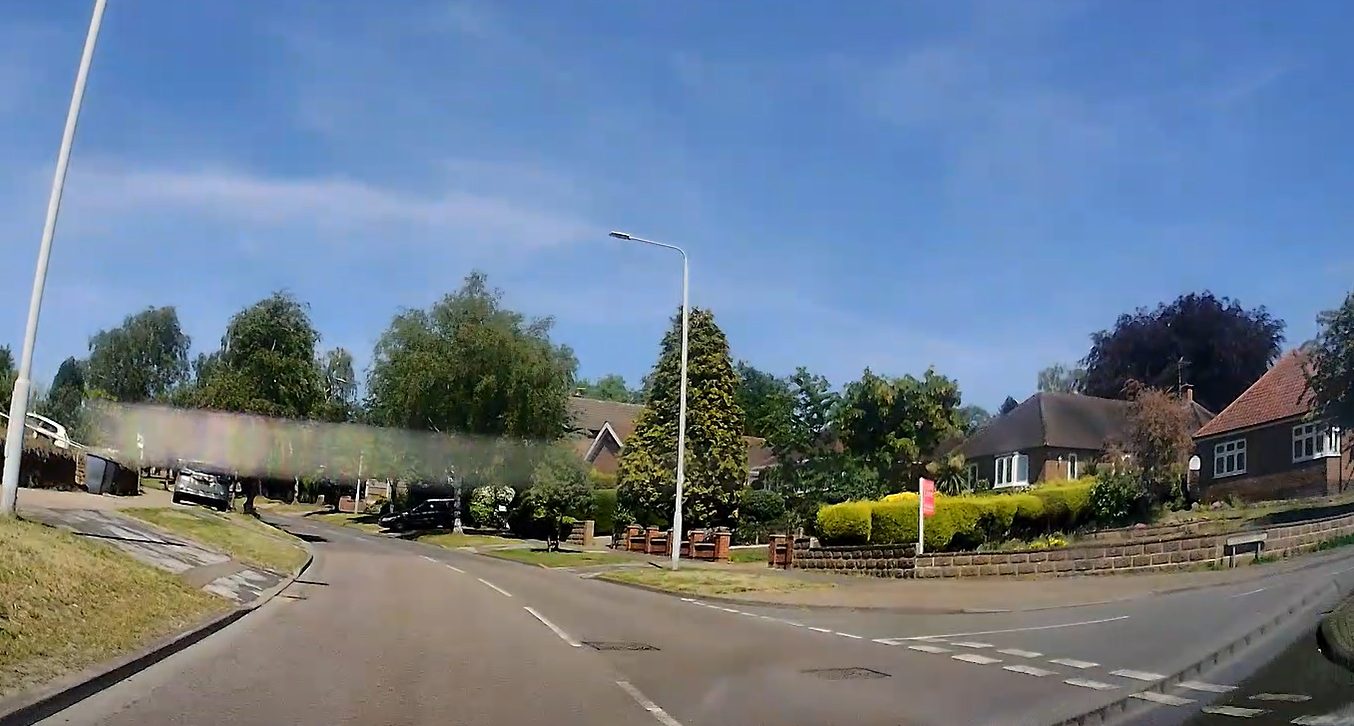
Well before you turn right you should use your mirrors to make sure you know the position and movement of traffic behind you, give a right-turn signal, and take up a position just left of the middle of the road or in the space marked for traffic turning right, leaving room for other vehicles to pass on the left if possible.
Judging a Safe Gap
Once you're positioned and signalling, the next step is waiting for a genuinely safe gap in oncoming traffic. This is where the Mirrors – Signal – Manoeuvre routine matters most: check your mirrors and blind spot again immediately before you turn, in case another vehicle is overtaking you while you wait.
Wait until there is a safe gap between you and any oncoming vehicle. Watch out for cyclists, motorcyclists, pedestrians and other road users. Check your mirrors and blind spot again to make sure you are not being overtaken, then make the turn. Do not cut the corner.
When Another Car Is Also Turning Right
At a crossroads, it's common for a vehicle to be waiting to turn right from the opposite direction at the same time. There are two recognised methods for this:
- Right side to right side — keeping the other vehicle on your right and turning behind it. This is generally the safer method, since you keep a clear view of any approaching traffic as you complete the turn.
- Left side to left side — turning in front of each other. This can block your view of oncoming traffic, so it requires extra care, particularly for spotting cyclists or motorcyclists who may be hidden by the other vehicle.
Which method applies can depend on the road layout, markings, or how the other vehicle is positioned, so read the junction rather than defaulting to one method automatically.
Preparing for Your Driving Test in Nottingham?
Right turns come up on almost every route, so getting the position and gap judgement right matters more than any single junction.
Related Guides
Practise Junction Judgement with H&E
We cover right turns on a range of real Nottingham junctions, from quiet side roads to busier crossroads, so gap judgement becomes second nature.