Key Takeaways
- Before moving off: mirrors, blind spot check, signal if necessary, then a final look
- A blind spot exists precisely because your mirrors can't cover it — only a head check can
- Move off only when it's actually safe, not just when the routine is complete
- On a slight incline, automatic creep plus gentle brake release gives smooth control without needing the accelerator
- Skipping the final look causes a fault because it's the step most easily rushed under pressure
 Written by Mohammad Habib, DVSA Green Badge ADI · 6 years teaching · 100+ students passed · About Mohammad →
The Moving Off Routine
A moving-off fault comes from the mirror-signal-manoeuvre routine breaking down under pressure, not from a lack of car control — particularly when the final blind spot check gets rushed or skipped.
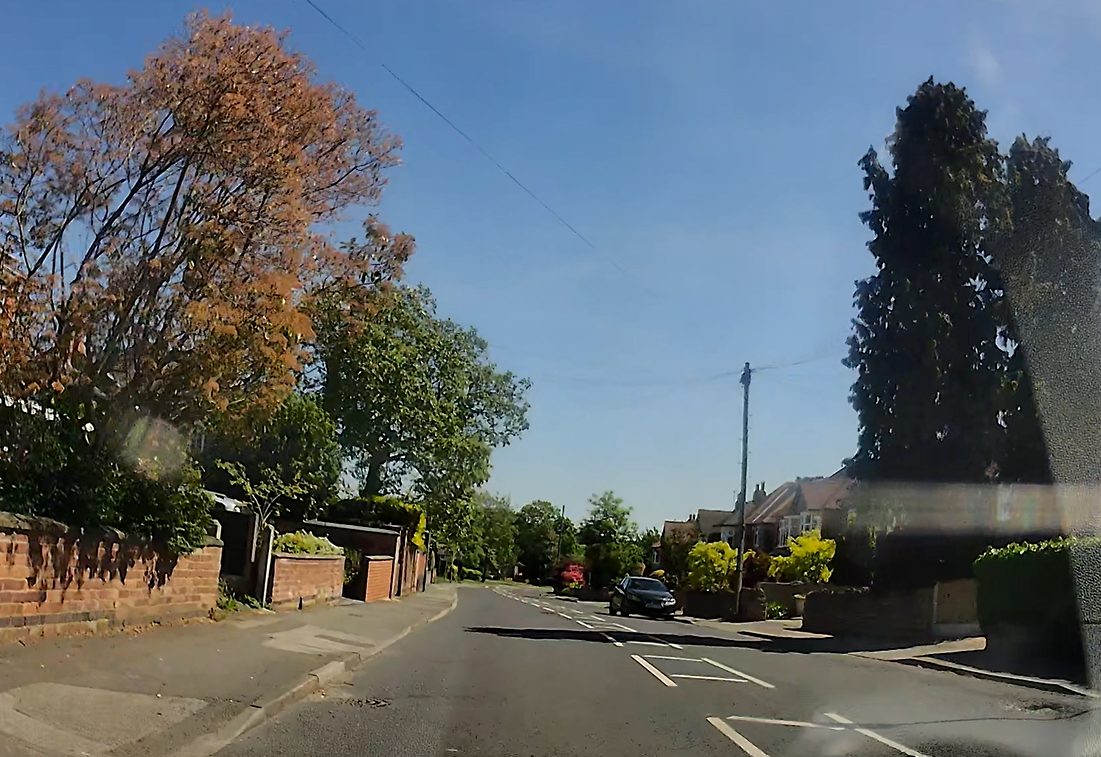
Before moving off you should use all mirrors to check the road is clear, look round to check the blind spots (the areas you are unable to see in the mirrors), signal if necessary before moving out, then look round for a final check. Move off only when it is safe to do so.
Why the Blind Spot Check Matters
A blind spot exists precisely because your mirrors can't cover it — that's the whole point of the check. A cyclist or another vehicle can be completely invisible in all three mirrors and still be right beside you, which is why a head check is a separate step, not something your mirrors already handled.
Where Learners Lose Marks
- Skipping the final look — checking mirrors and blind spot once, then pulling away without a last glance immediately before moving.
- Signalling when it isn't needed — for example when pulling away in a straight line with nothing behind you, which can be unnecessary and occasionally misleading.
- Rushing the routine — treating it as a box-ticking exercise rather than genuinely checking it's safe before moving.
Moving Off on a Slight Incline in an Automatic
In an automatic, you don't need to balance a clutch and handbrake to avoid rolling back. Once you've completed the mirror-signal-manoeuvre routine, gently ease off the footbrake and let the car's natural creep take over — the engine's idle power is normally enough to hold the car and move it forward smoothly, even on a gentle slope, without touching the accelerator.
On a steeper hill, hold the car on the footbrake as usual, complete your checks, then release the brake smoothly while adding a small amount of accelerator if needed, rather than releasing it abruptly.
Preparing for Your Driving Test in Nottingham?
Moving off comes up dozens of times in every lesson and every test, so getting the routine solid early makes a real difference.
Related Guides
Build a Solid Moving-Off Routine with H&E
We drill the mirror-signal-manoeuvre routine on real Nottingham streets from lesson one, so it holds up under test-day pressure.